Understanding the importance of timely furnace repairs can help you maintain a comfortable and safe home environment. Delaying such repairs can lead to increased costs and potential safety hazards. When furnaces break down, the consequences can ripple through your financial health, home safety, and environmental impact. Being proactive is key, not only to safeguard your investment but also to enhance the quality of life within your home. This article explores the pivotal reasons why quick action should be taken concerning furnace repairs.
The Function of a Furnace
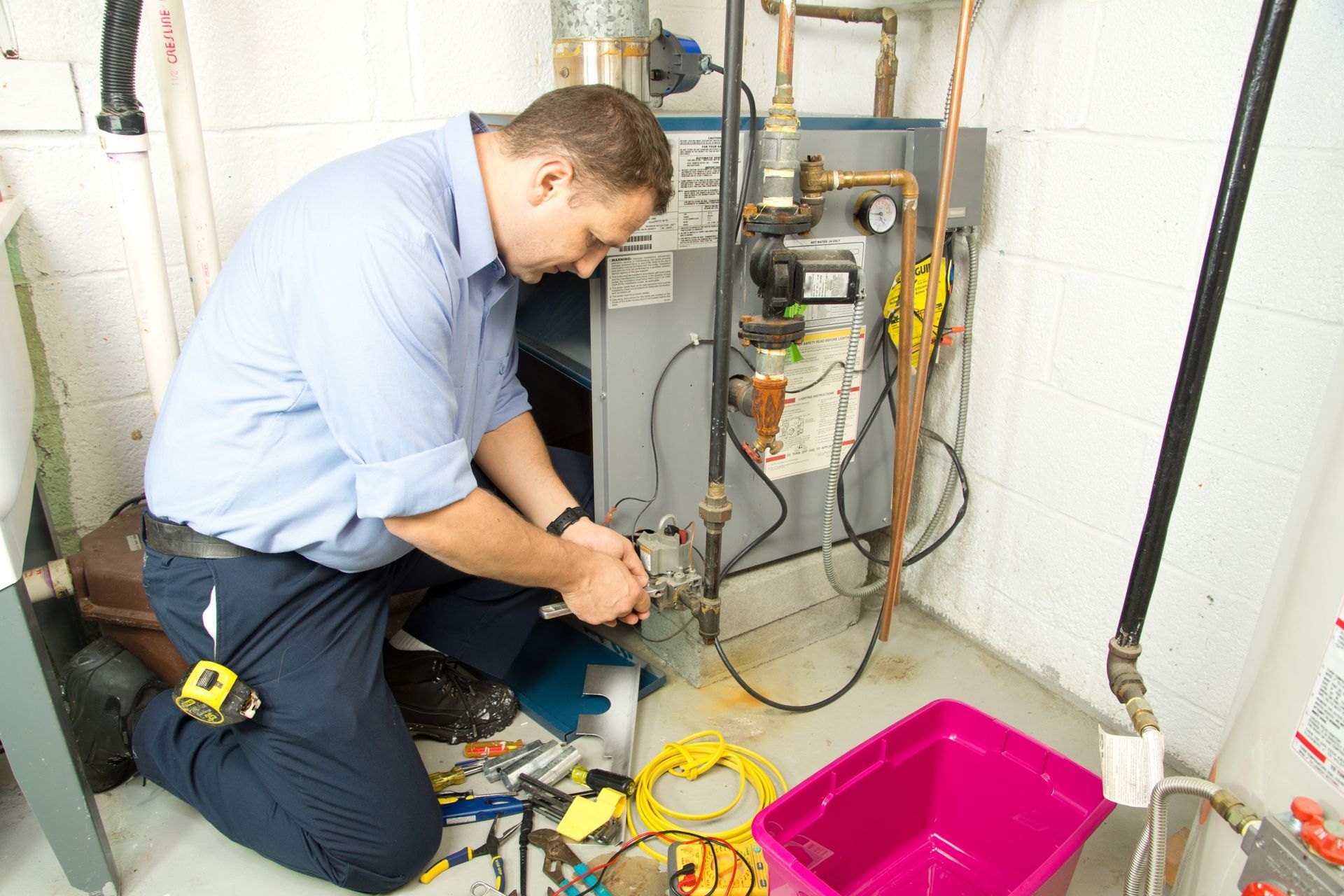
The basics of furnace operation involve the conversion of fuel into heat, which is then distributed throughout your home. Furnaces typically rely on gas, oil, or electricity to generate this heat. A functional thermostat regulates the temperature, ensuring that the furnace switches on and off to maintain desired comfort levels. Understanding these basic operations can help homeowners identify when something is amiss. Proper operation of the furnace relies on each component functioning well, including burners, heat exchangers, and blower motors.
Common types of furnaces include natural gas, electric, oil, and propane models. Each type has its advantages and drawbacks depending on regional energy availability and cost. Gas furnaces are prevalent due to their efficiency and cost-effectiveness, whereas electric furnaces are often chosen for their safety and low up-front costs. Oil and propane furnaces are more common in rural areas where natural gas lines may not be accessible. Knowing the types of furnaces can aid in deciding which repairs are needed and when replacement might be necessary.
The role of the thermostat is crucial in maintaining indoor comfort and efficient furnace operation. It acts as the communication bridge between you and your furnace, dictating when the system should cycle. Malfunctions in the thermostat can result in inconsistent temperatures or continuous furnace operation. Regularly checking and maintaining your thermostat can prevent undue stress on the furnace. Effective temperature control is key to energy efficiency and prolonging the life of your HVAC system.
Financial Implications of Delayed Repairs
Delaying repairs on minor furnace issues can accumulate into substantial financial burdens. Small problems, such as a dirty filter or a squealing belt, might seem inconsequential at first but can escalate into costly repairs if left unaddressed. According to Forbes, you should schedule a professional HVAC maintenance check once every year to catch these minor issues early. This proactive approach can save hundreds, if not thousands, of dollars in repair costs over the furnace's lifetime. Particularly, consistent maintenance addresses wear and tear issues before they require expensive solutions.
The potential for more expensive repairs increases when minor issues are ignored. For example, a stress fracture in a heat exchanger can lead to leaks that pose safety hazards and incur significant expenses if not repaired early. Catastrophic failures are more likely to occur in systems that aren't serviced regularly. Consistent check-ups with a qualified HVAC technician can pinpoint these potential problems before they compromise the entire system. Prompt attention to small repairs can prevent the need for comprehensive, invasive, and costly actions later.
Increased energy bills often result from compromised furnace efficiency. When a furnace is not operating correctly, it has to work harder to reach thermostat settings, leading to higher energy consumption. Simple issues like dirty filters can restrict airflow, causing the furnace to overexert to maintain temperature levels. This inefficiency significantly impacts utility bills, making them unnecessarily high. Scheduled maintenance can prevent this from happening by ensuring every component of the furnace is operating at optimal efficiency.
Health and Safety Risks
One of the most critical risks associated with delayed furnace repairs is carbon monoxide leaks. Carbon monoxide is a colorless and odorless gas that can be lethal when inhaled in large quantities. A cracked heat exchanger can release this dangerous gas into your home. Annual professional maintenance checks, as recommended, can help identify this risk early, keeping your family safe. The installation of carbon monoxide detectors can also serve as an additional safety measure to warn you of potential leaks.
The danger of gas leaks from gas-powered furnaces cannot be overstated. These leaks present serious health and safety hazards, including flammable conditions and potential explosions. When gas is improperly vented or pipes are compromised, the risks amplify. Regular assessments by certified HVAC professionals are essential to address any gas line issues. Ensuring your gas lines and connections are secure should be a priority during any repair or maintenance visit.
Air quality issues often arise from neglected furnaces as they may start circulating dust, mold, or other allergens. A compromised furnace can exacerbate respiratory issues and allergies, especially in households with sensitive inhabitants. Routine filter replacements and duct cleaning, recommended as part of regular maintenance, can mitigate these concerns. Keeping the air clean contributes to a healthier indoor environment. These practices ensure that only clean, filtered air circulates throughout your home.
Environmental Impact
Energy consumption and efficiency are heavily influenced by the condition of your furnace. A malfunctioning furnace consumes more energy, thereby contributing to increased greenhouse gas emissions. Regular maintenance ensures that your furnace operates at peak efficiency, subsequently reducing your carbon footprint. Even as internal components age, replacing or repairing them maintains overall system integrity. Practicing regular maintenance not only preserves energy resources but also aligns with broader environmental conservation efforts.
The carbon footprint of a malfunctioning furnace goes beyond just energy use. Ineffective combustion leads to higher emissions of noxious gases into the environment. Such emissions not only drive up utility bills but also have adverse environmental effects. Regular inspections can recalibrate furnace operations to minimize fuel waste, thus positively impacting the environment. This approach not only benefits you financially but also supports environmental stewardship efforts.
The role of effective repairs in conservation cannot be overstated. By maintaining furnace efficiency through timely repairs, fewer resources are consumed, and the environmental footprint of heating is reduced. Technological advancements in eco-friendly heating solutions further assist in this endeavor. Modern high-efficiency furnaces utilize less fuel and release fewer emissions, aligning with sustainability goals. Regular service can ensure that your furnace adapts to these new technologies and standards.
The Lifespan of Your Furnace
The importance of timely repairs lies in the ability to extend the furnace's operational lifespan. When minor problems are addressed promptly, the strain on key components is minimized. This prolongs their ability to function optimally, delaying the need for replacement and reducing lifetime costs. Proactive maintenance is paramount, helping to ensure a long and efficient life for your furnace system. Consistently addressing issues early also reduces the frequency of replacements, increasing overall value.
Preventative maintenance tips are essential for owners looking to maximize furnace lifespan. Checking air filters regularly and ensuring proper ventilation are simple steps toward this goal. Engaging with professional HVAC services at least once a year, as Forbes suggests, also contributes significantly. Such services can perform comprehensive system checks, ensuring every part is functioning correctly. Collectively, these actions culminate in an HVAC system that meets your needs reliably and durably.
The manufacturer's recommendations should serve as a guide for maintenance practices. Adherence to these guidelines ensures that repairs and part replacements follow an efficient framework. Understanding when it might be time for a replacement also falls within these recommendations. Recognizing when repair costs outweigh potential benefits is essential to making informed decisions. Balancing these factors can maximize your return on investment, safeguarding your home's heating needs effectively.
Timely actions when it comes to furnace repairs can safeguard your home's comfort, health, and finances. Addressing minor issues quickly minimizes potential expenses, prevents safety hazards, and contributes to environmental sustainability. Annual professional maintenance checks, as recommended by experts, are essential for preserving furnace efficiency and safety. Understanding the various facets of furnace care ensures informed decisions, prolongs your system's lifespan, and maintains your safety and efficiency with confidence. If you need furnace repairs, don't delay; reach out to CW Services, LLC for immediate, dependable services.