August 17, 2026
In our increasingly modern world, the comfort of our living and working spaces has become paramount. Central to this comfort is the HVAC system, a crucial component ensuring a stable and comfortable indoor environment. However, many property owners are unaware of the profound consequences of neglecting regular HVAC service. This article delves into the overlooked consequences associated with skipping routine maintenance, which may manifest through increased expenses, health issues, and diminished system efficacy.
1. Why is Regular HVAC Service Important?
1.1. Ensuring Energy Efficiency
Regular HVAC service plays a pivotal role in maintaining energy efficiency. When a system is routinely serviced, components like filters, coils, and fins are kept clean, allowing them to function optimally. Without this routine upkeep, dirt and grime build-up can force the system to work harder, using more energy and hiking up electricity bills. According to studies, an HVAC system's efficiency can decrease by as much as 15% if it is not regularly maintained.
Additionally, a well-maintained system can better regulate temperatures, preventing undue strain on its components. Over time, parts that are not serviced can wear out faster, leading to inefficiency. This increased workload not only affects energy bills but also reduces the overall comfort provided by the system. Ultimately, skipping regular HVAC service can create a cycle of inefficiency and discomfort that impacts both finances and well-being.
The financial implications of energy inefficiency can escalate quickly, making regular service a small price to pay for future savings. Investing in routine maintenance ensures that all parts of the system work harmoniously, providing optimal energy use. As utility bills continue to rise, energy efficiency becomes more significant, making regular maintenance vital. This simple proactive measure can lead to reduced operational costs and a more sustainable living environment.
1.2. Prolonging Equipment Lifespan
A key benefit of regular HVAC service is the significant extension of equipment lifespan. HVAC systems are substantial investments, designed to last for many years with the proper maintenance and care. According to This Old House, most HVAC systems last up to 20 years with proper maintenance, highlighting the importance of regular tune-ups. Routine checks and maintenance ensure that potential issues are identified and addressed before they lead to more significant problems.
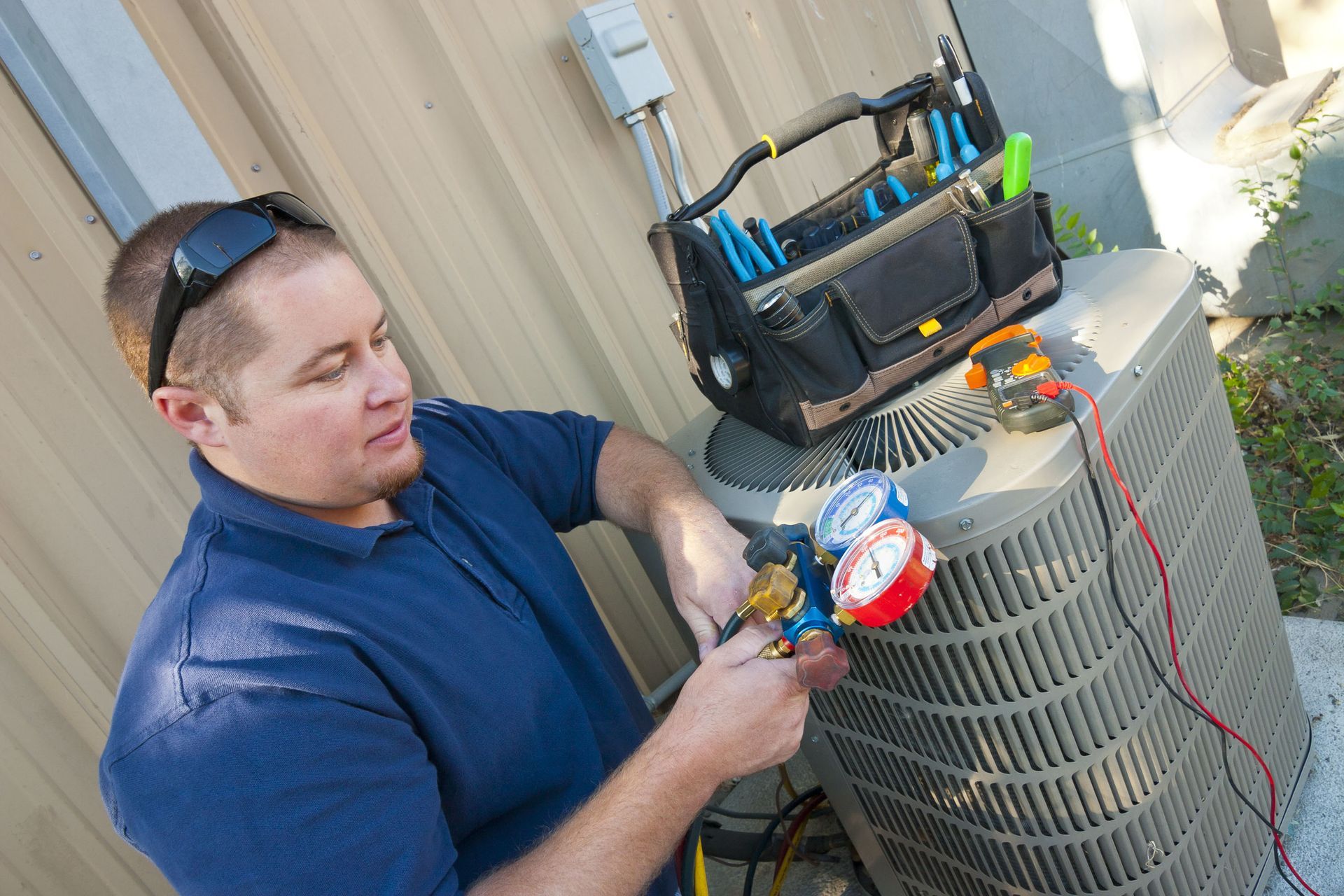
Preventative maintenance allows trained technicians to spot minor wear and tear that, if left unattended, could escalate into costly repairs or premature system replacements. For instance, lubricating moving parts, checking for leaks, and testing system controls are simple tasks that can prevent major breakdowns. As equipment ages, these small tune-ups become even more crucial, as older units are more susceptible to failure. Hence, regular service is not merely an option but a necessity to attain the full potential and lifespan of your HVAC system.
Furthermore, a longer equipment lifespan translates into considerable financial savings. By avoiding premature breakdowns and replacements, homeowners and business operators can channel these savings to other important needs. In essence, regular HVAC service is an investment that pays off by significantly delaying the depreciation of one of your property's most vital systems. As a result, the system remains reliable, ensuring peace of mind for occupants who depend on its steady operation.
2. What Are the Financial Implications of Avoiding Tune-Ups?
2.1. Increased Energy Bills
Avoiding regular HVAC tune-ups can significantly impact energy bills, often resulting in marked increases over time. An inefficient system demands more energy to achieve temperature control, translating into elevated utility costs. Such inefficiency is primarily due to neglected maintenance tasks like dirty filters or malfunctioning thermostats impeding optimal operation. Since energy expenses tend to form a considerable part of household or business budgets, increased bills can strain financial resources.
Proper HVAC service ensures that the system operates efficiently, thus preventing unnecessary energy consumption. Many tend to overlook these incremental increases in bills, yet over time, they accumulate into a considerable financial drain. Regular maintenance is a proactive approach to curbing excessive utility costs, preserving resources, and reducing environmental impact. The correlation between skipping tune-ups and rising energy expenses is a straightforward financial implication that should encourage diligent HVAC care.
2.2. Costly Repairs
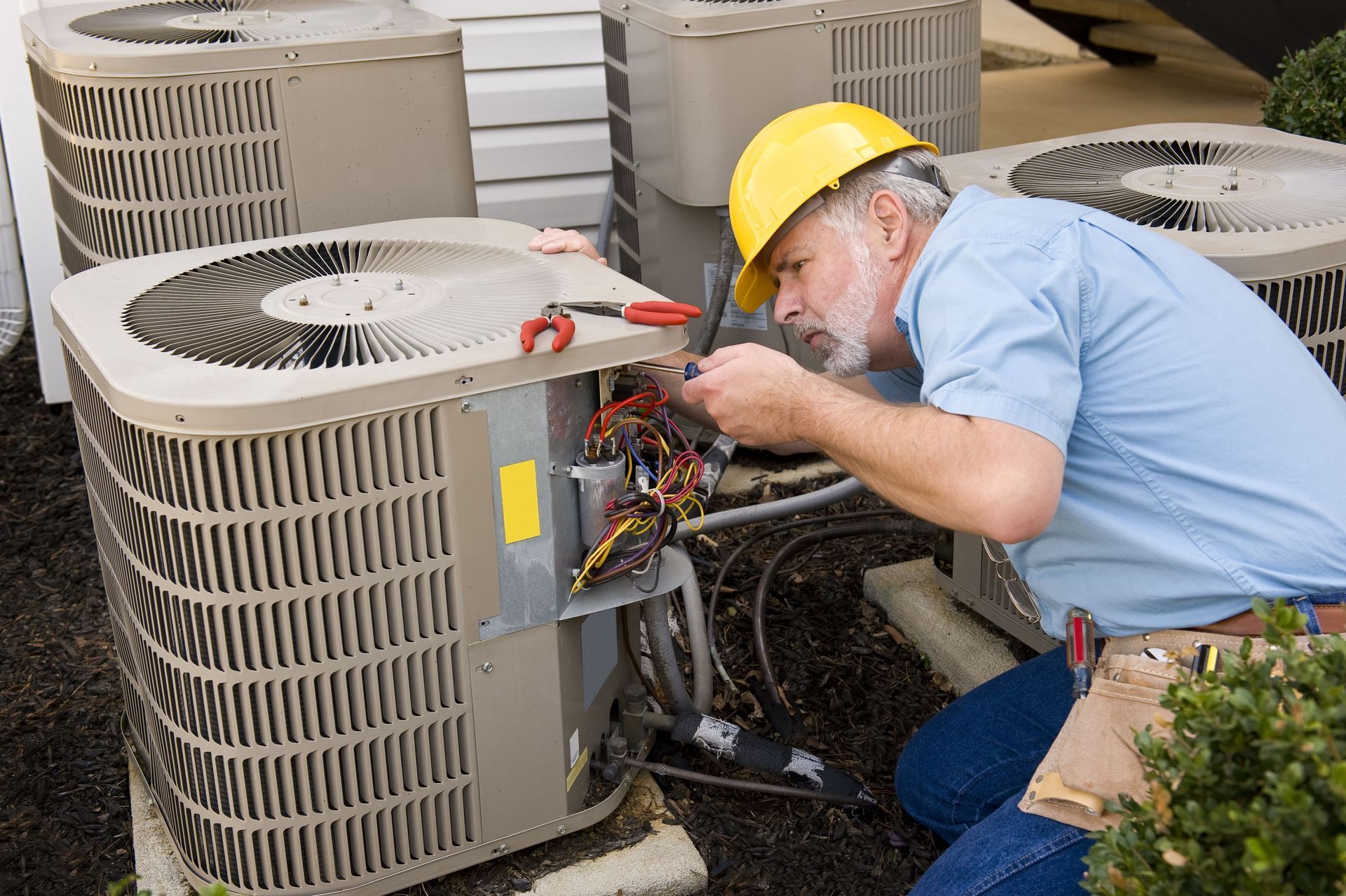
Neglecting routine maintenance can lead to small issues escalating into large, costly repairs. Without regular tune-ups, minor malfunctions can go unnoticed, gradually wearing down the system's capability. Components such as motors, compressors, or blowers may suffer from increased wear and tear, leading to potential system breakdowns. Repair costs for these critical components often surpass the savings from skipping routine maintenance, making it a false economy.
When HVAC systems are not routinely maintained, they work harder to perform effectively, which accelerates the wear on parts. Emergencies that arise from this negligence often require immediate and expensive repair interventions. Moreover, these breakdowns tend to occur during peak seasons, such as winter or summer, when pressure on the system is at its highest. As a result, urgent repair needs can coincide with periods of high demand and limited technician availability, exacerbating the inconvenience.
3. How Does Skipped Maintenance Affect Health?
3.1. Allergens and Pollutants Build-Up
Neglecting regular HVAC service can significantly affect indoor air quality by permitting the build-up of allergens and pollutants. Without routine cleanings, HVAC systems can accumulate dust, pollen, pet dander, and other allergens that flow through the air ducts and re-enter the indoor environment. This can exacerbate allergies and respiratory issues among inhabitants, particularly those who are sensitive to airborne contaminants. Regular maintenance ensures that such allergens are adequately managed, providing a cleaner and healthier indoor atmosphere.
Contaminants and pollutants are particularly problematic in closed environments where the air is recirculated without adequate filtration. The absence of regular filter replacements or duct cleanings allows these particles to settle within the system, continuously cycling them throughout the space. This not only diminishes air quality but can also lead to odors and general discomfort. Regular HVAC service, including thorough cleanings and filter changes, ensures that these pollutants don’t compromise indoor air quality or health.
3.2. Mold Growth and Spread
Mold is a significant health hazard, and its presence can be largely attributed to poor HVAC maintenance. Moisture build-up within the HVAC system, often due to clogs or leaks in condensate drains, can create an ideal environment for mold growth. Once mold takes hold within the system, it can spread spores throughout the building, degrading air quality and posing health risks. Such risks include respiratory issues, allergic reactions, and in severe cases, chronic illnesses due to prolonged exposure.
Routine HVAC service addresses these mold-inducing conditions by ensuring that drainage systems are clear and humidity levels are properly managed. Servicing tasks, such as cleaning coils and ensuring airtight ducts, prevent moisture accumulation and potential mold proliferation. Owning a mold-free HVAC system ensures that the air circulated remains safe and contaminant-free. Regular maintenance is essential to preventing mold growth, therefore protecting occupants from its adverse health effects.
The hidden costs of skipping regular HVAC tune-ups are far-reaching, influencing financial outlays, health, and overall well-being. Regular HVAC service ensures optimal system operation, energy efficiency, and the longevity of system components, effectively safeguarding against costly repairs and premature replacements. Furthermore, such maintenance enhances indoor air quality, which is crucial for protecting occupant health and mitigating respiratory and allergic reactions. Preserve warranty conditions, control energy costs, and enhance overall property value through regular, proactive service.
Beyond the tangible costs and savings, regular HVAC servicing ensures peace of mind through consistent performance, improved safety, and timely identification of potential issues. It underscores the importance of investing in routine maintenance to protect comfort, health, and finances, benefiting homes and businesses alike. In understanding these hidden costs, we recognize the essential role routine HVAC service plays in fostering safe, efficient, and comfortable environments.
Every property owner should prioritize regular HVAC service as an integral component of their maintenance regime. Recognizing these preventative measures aids in navigating the responsibilities of property management effectively and efficiently. Investing in routine system upkeep safeguards against unexpected challenges and upholds the value and functionality of one’s HVAC system. The value of regular service extends far beyond the immediate, illustrating a deeper commitment to sustainability, cost control, and health. Reach out to CW Services, LLC today to see how we can help you!