The lifespan and efficiency of heating, ventilation, and air conditioning (HVAC) systems are significantly influenced by the quality of the services they receive throughout their operational life. Regular maintenance not only ensures systems operate efficiently but can also unlock the full lifespan of these critical home components. Quality HVAC services involve scheduled inspections, timely repairs, and the employment of professional technicians who understand the intricate workings of these systems. Without such care, HVAC systems risk reduced performance, increased energy costs, and premature failure. By investing in comprehensive HVAC services, homeowners can achieve a comfortable living environment while managing long-term costs.
Understanding HVAC System Components
The Role of the Thermostat
The thermostat serves as the brain of the HVAC system, responsible for controlling the operation based on user settings and environmental conditions. It continuously monitors the ambient temperature and signals the heating or cooling systems to engage or disengage to maintain the desired comfort level. Today's advanced digital thermostats allow for precise adjustments and programming, making them key to energy efficiency. Regular calibration of thermostats is essential to ensure accuracy and optimal system performance. By maintaining the thermostat's accuracy and functionality, unnecessary strain on the HVAC system is reduced, extending its overall lifespan.
Types of HVAC Units
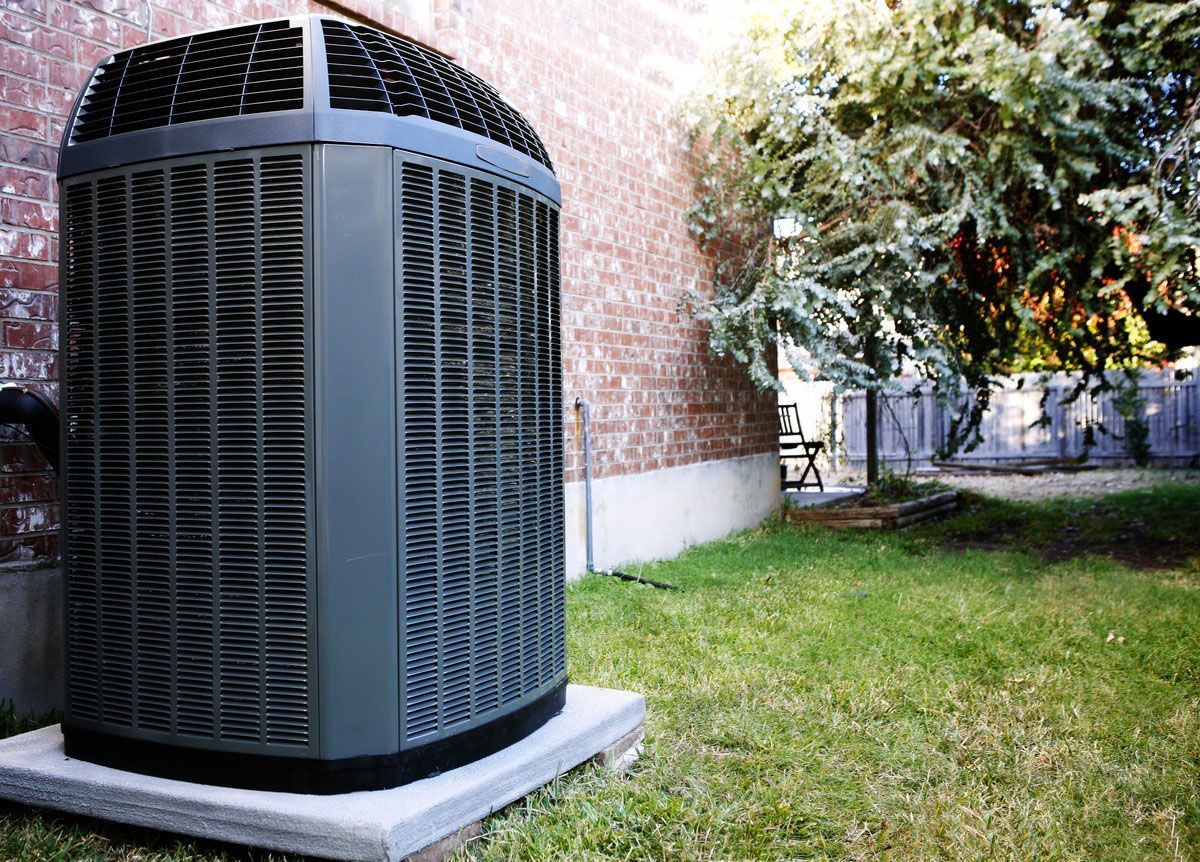
HVAC units come in various designs to suit different environmental needs and spaces, including split systems, ductless mini-splits, and packaged units. Split systems are the most traditional, consisting of an indoor and an outdoor unit connected by refrigerant lines. Ductless mini-splits offer flexibility for spaces where traditional ductwork isn't feasible. Packaged units, often seen in commercial settings, house all components in a single outdoor cabinet. Understanding the type of system installed is crucial for tailoring maintenance practices and ensuring longevity.
Key Components of an HVAC System
An HVAC system is composed of several crucial components including the compressor, condenser, evaporator, fan motors, and ductwork. Each part has a specific function contributing to the overall efficiency and effectiveness of the system. The compressor circulates refrigerant through the system, while the condenser and evaporator manage heat exchange. Fan motors ensure proper airflow, and the ductwork distributes conditioned air throughout the building. Periodic inspections and maintenance are necessary to prevent wear and tear and to replace failing components before they compromise the system.
The Importance of Regular Maintenance
Scheduled Inspection and Maintenance
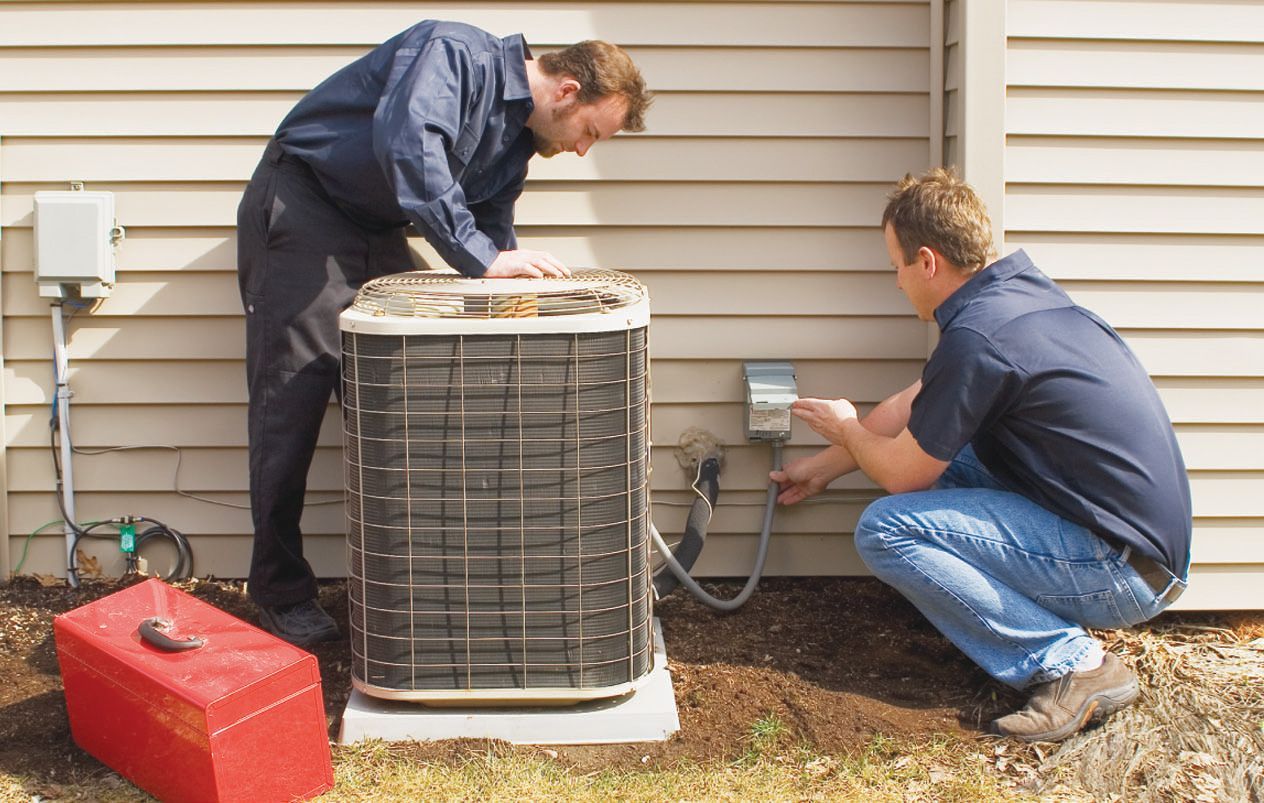
Regular inspections and maintenance of HVAC systems are vital to ensuring their reliability and efficiency. Scheduled maintenance typically includes cleaning components, checking refrigerant levels, and inspecting wear on mechanical parts. According to This Old House, proper maintenance can stretch the life of an HVAC system to between 15 to 20 years. Early detection and resolution of potential issues during inspections can avoid unexpected breakdowns and expensive repairs. Homeowners who prioritize maintenance can enjoy consistent comfort and lower overall energy costs.
Cleaning and Replacing Air Filters
Air filters play an essential role in maintaining indoor air quality and the efficiency of the HVAC system. Clogged or dirty filters restrict airflow, forcing the system to work harder to maintain set temperatures. Regular cleaning or replacing of air filters, typically every three months, helps to preserve the system's efficiency and longevity. Clean filters can reduce energy consumption by up to 15%, leading to a substantially lower energy bill. This simple maintenance task protects not only the HVAC components but also the health and comfort of the building's occupants.
Checking for Refrigerant Leaks
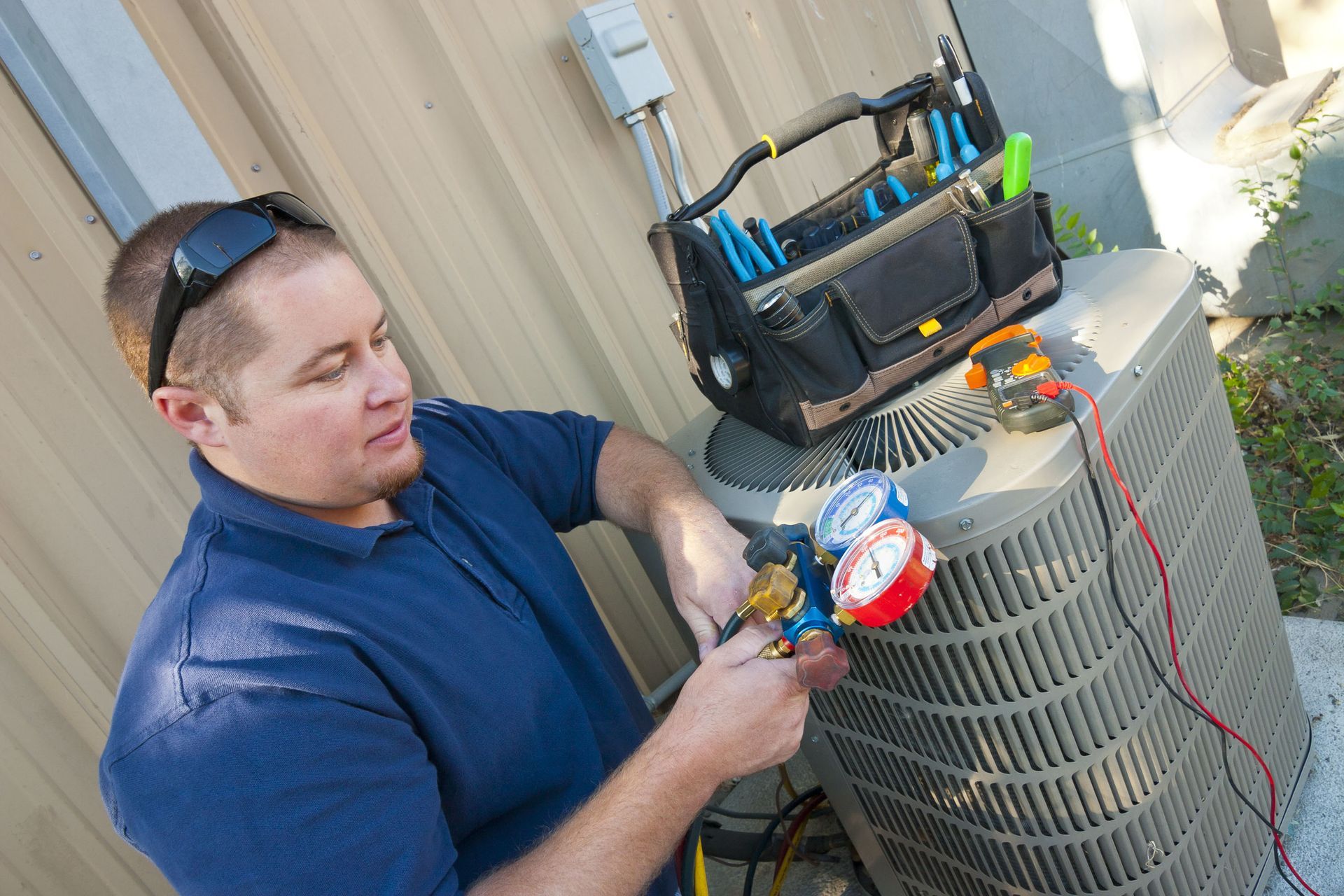
Refrigerant is the lifeblood of air conditioning and heat pump systems, responsible for cooling and dehumidifying the air. Even small leaks can drastically impact a system’s ability to perform efficiently, leading to higher energy consumption and insufficient cooling. Technicians use specialized tools to detect leaks, ensuring that the refrigerant level is maintained at optimal levels. Fixing leaks immediately prevents the additional strain that low refrigerant levels can place on the compressor, which is costly to repair or replace. Proper refrigerant management is a critical aspect of maintaining a functional and efficient HVAC system.
Impact of Professional HVAC Services
Benefits of Hiring Certified Technicians
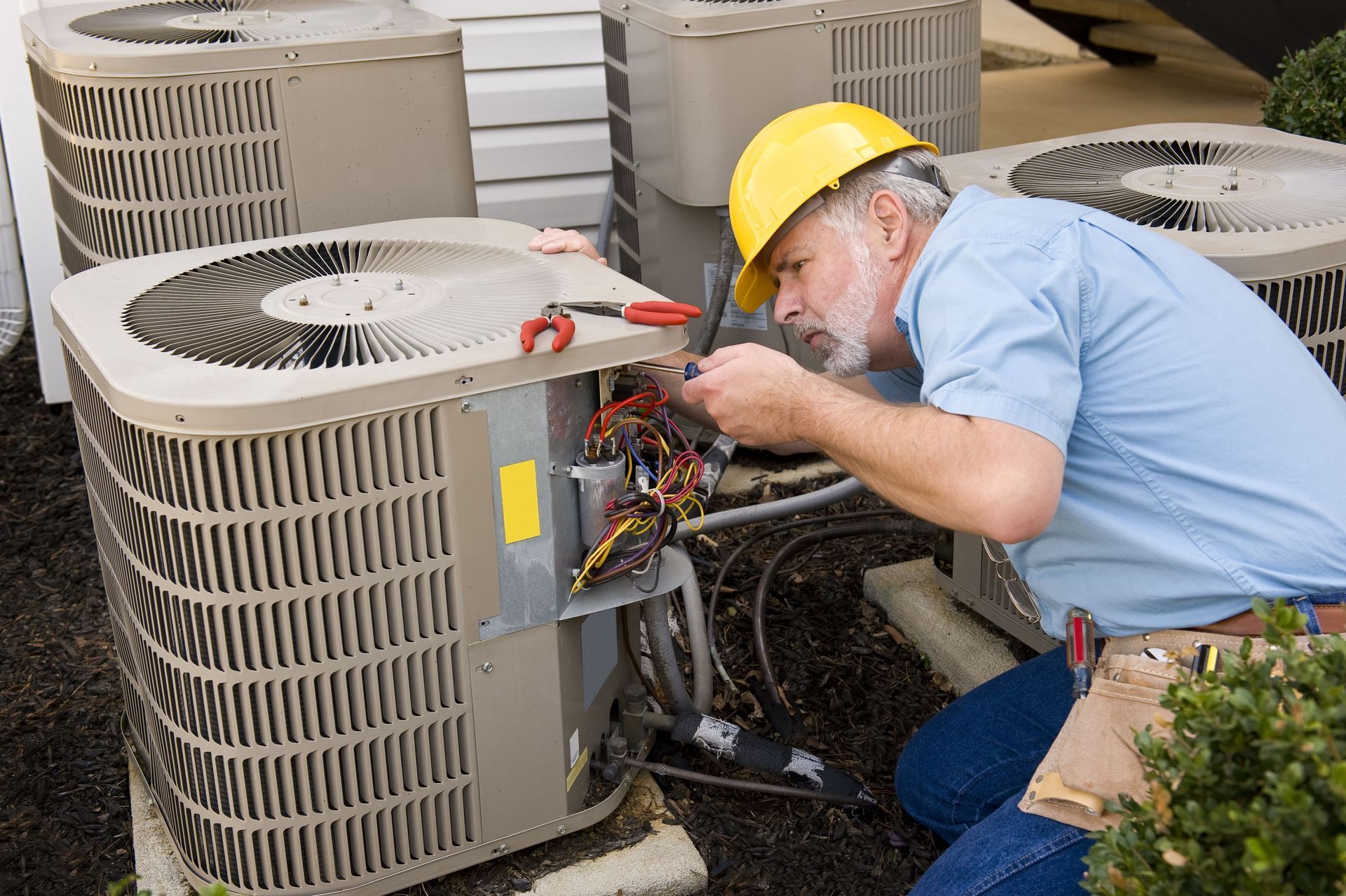
Certified HVAC technicians understand complex system designs and possess the expertise needed to execute repairs and maintenance effectively. These professionals follow industry standards, ensuring that every component of the system is installed and serviced correctly. Proper installation lays the foundation for efficient operation, while professional maintenance ensures consistent performance over the system's lifespan. Certified technicians carry out comprehensive diagnostic checks that can preemptively identify issues before they lead to system failures. The assurance of expertise not only imparts peace of mind to clients but protects their investment over the years.
Cost-Benefit Analysis of Professional Services
Although professional HVAC services involve upfront costs, they offer long-term savings and benefits that outweigh the initial investment. Regular maintenance reduces the likelihood of costly repairs and prolongs the lifespan of the system, which can be substantial, given that replacement of systems is expensive. Professionally optimized systems run efficiently, lowering utility bills significantly over time. The enhanced operational performance also contributes to a comfortable indoor climate, which is invaluable to homeowners and their families. Over the lifecycle of an HVAC system, the cost-benefit ratio heavily favors investing in quality professional services.
Enhancing Energy Efficiency
Professional HVAC services focus not only on repair but also on enhancing the overall energy efficiency of the system. Technicians ensure components like ductwork and compressors are operating optimally and address any discrepancies that may lead to energy wastage. Regular calibration and servicing of thermostats, paired with an optimized system, can result in significant energy savings. Additionally, professionals often recommend energy-saving upgrades that align with modern efficiency standards and technological advancements. An energy-efficient HVAC system is not only environmentally friendly but also cost-effective, resulting in lower utility bills over time.
DIY Maintenance Tips for Homeowners
Monthly Visual Inspections
Conducting monthly visual inspections of the HVAC system can identify potential issues before they escalate. Homeowners should check for unusual noises, leaks, and obstructions around outdoor units and ensure vents are unobstructed. This proactive approach can flag concerns like loose components or worn belts, prompting timely professional intervention. Monthly inspections serve as a supplementary maintenance measure, complementing professional services rather than replacing them. By staying vigilant, homeowners can contribute significantly to the overall durability and efficiency of their HVAC systems.
Cleaning Vents and Registers
Dust and debris accumulation in vents and registers can significantly impact indoor air quality and HVAC efficiency. Homeowners can easily clean these components by vacuuming dust and using a damp cloth to wipe away residues. Ensuring unobstructed airflow benefits the system by reducing strain on air circulation components such as fan motors. Regular cleaning minimizes allergens in the air, contributing to a healthier indoor environment. Simple maintenance tasks like these are invaluable in extending the lifespan and improving the performance of the HVAC system.
Maintaining and enhancing HVAC services is essential for prolonging the system's lifespan while optimizing performance and cost efficiency. Regular maintenance, professional services, and informed homeowner practices all contribute to the durability and efficacy of HVAC systems. Embracing technological advancements and considering future trends further enhances these benefits, aligning with both sustainability goals and economic prudence. In summary, proactive HVAC care secures a comfortable, energy-efficient, and cost-effective indoor environment. By valuing and investing in these systems' upkeep, homeowners can ensure they enjoy the full benefits of their HVAC investments for many years. Be sure to reach out to CW Services, LLC today for more information on our professional HVAC services!